What combed cotton means and why it matters in underwear
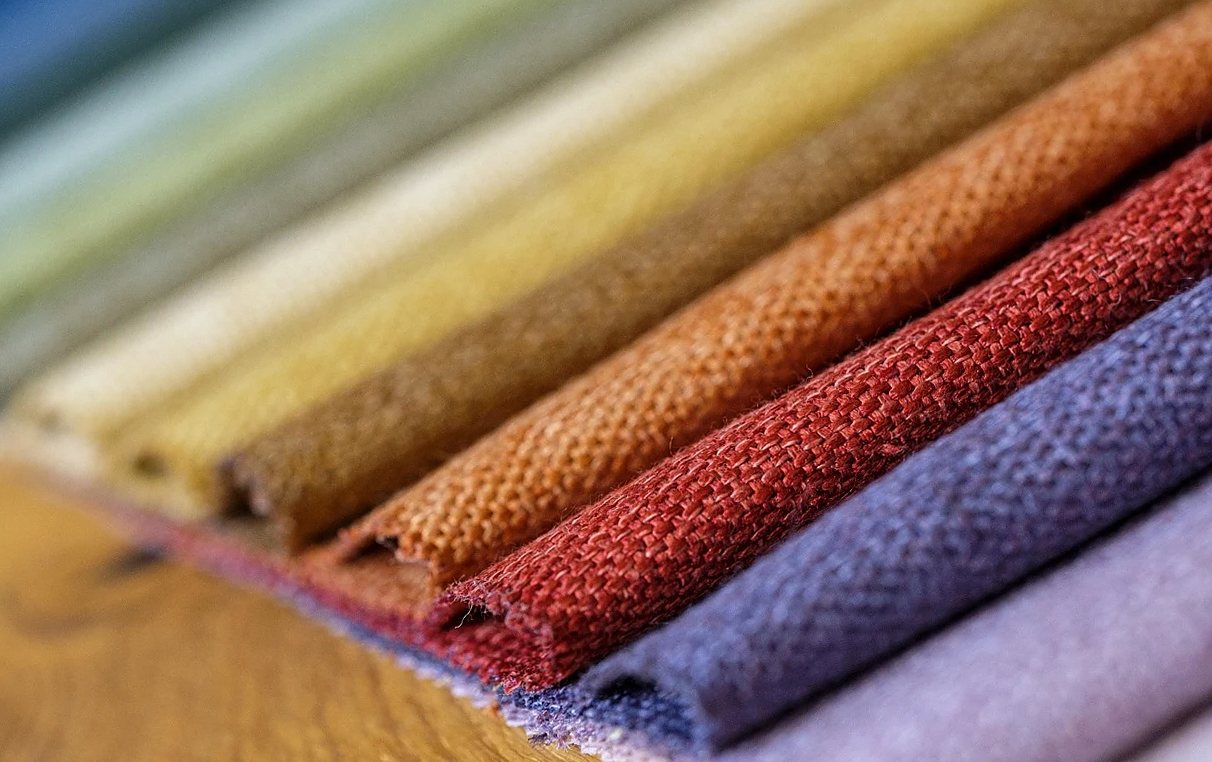
Combed cotton shows up on a lot of underwear labels, but the explanation of what it actually means is usually missing. It's not a marketing term. It refers to a specific step in the spinning process that removes short fibers from the cotton before it's spun into yarn. The result is a smoother, stronger yarn that behaves differently in finished fabric.
What happens during combing
After cotton is harvested and ginned, the raw fibers are carded, which aligns them roughly in the same direction. Combing is an additional step that removes the shorter fibers, called noils, and aligns the remaining long fibers more precisely. The yarn spun from combed cotton has fewer loose fiber ends sticking out from the surface.
Those loose fiber ends are what cause pilling. When short fibers work their way to the surface of the fabric and tangle together, you get the small balls of fiber that appear on the surface of cheaper cotton after washing. Combed cotton pills significantly less because most of the short fibers have been removed before spinning.
How it feels and wears differently
Combed cotton has a smoother, slightly silkier hand feel than standard cotton. It's not dramatically different to the touch, but the difference is noticeable when you compare the two side by side. The surface is more even and the fabric drapes slightly better.
In terms of durability, combed cotton holds its color better through repeated washing because the tighter yarn structure gives dye less surface area to escape from. It also holds its shape better over time, which matters in waistbands and leg openings where stretch and recovery are important.
What to look for on a label
Not all cotton labeled 'combed' is combed to the same degree. The percentage of short fibers removed varies between mills and between grades of cotton. A higher-quality combed cotton will have a higher percentage of long fibers and a smoother feel.
The cotton used in the Classic Cotton Brief and Cotton Basics Set in the shop comes from a mill in North Carolina that has been running combing equipment since the late 1970s. The staple length and combing grade are consistent between production runs, which is why the fabric feels the same in a pair bought this year as in one bought two years ago.
If you've ever had cotton underwear that pilled after a few washes, the likely cause was standard rather than combed cotton. It's a small detail in the label, but it's one of the more reliable indicators of how a basic will hold up.